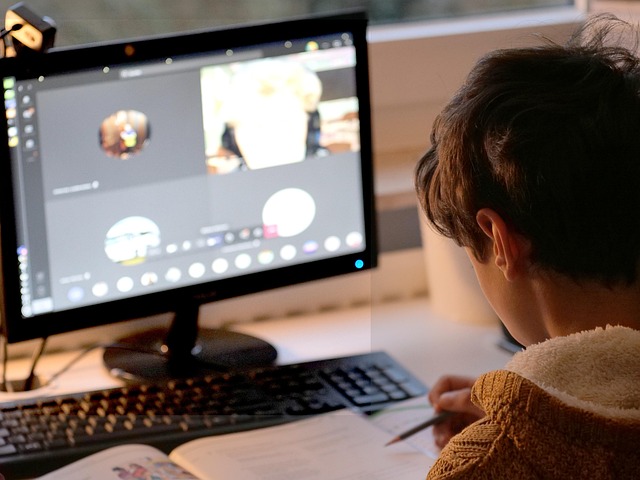


In the ever-evolving landscape of online education, video design has become a pivotal element in fostering effective learning experiences. As more educators and institutions turn to digital platforms, the ability to create engaging visual content is essential for building knowledge and enhancing comprehension. Video design, when executed thoughtfully, not only attracts attention but also supports diverse learning styles, making it a valuable tool for educators across various disciplines.
One of the unique advantages of video design in online education is its capacity to break down complex topics into digestible segments. By utilizing visually rich graphics, animations, and real-world examples, educators can create a narrative that resonates with learners. This multisensory approach caters to visual learners and aids in memory retention, enhancing the overall educational experience. Imagine a classroom where concepts come alive through dynamic visuals, encouraging students to engage and explore further.
Moreover, video design fosters an interactive learning environment. Incorporating elements such as quizzes, polls, and discussion threads within or after video content encourages learners to actively participate in their educational journey. This level of interaction creates a community of learners who can share insights and deepen their understanding of the material through collaboration. When designed well, videos can stimulate critical thinking and foster a sense of belonging among students, which is crucial in an online setting.
Quality video design goes beyond just aesthetics; it requires a strategic approach to content creation. First, it’s essential to define learning objectives clearly. Understanding what you want to achieve will guide the video’s narrative, visuals, and overall engagement tactics. Keeping videos concise and focused prevents overwhelming learners while ensuring that each segment effectively communicates the intended message. It’s about conveying knowledge in a manner that feels less like a lecture and more like a conversation.
Furthermore, incorporating storytelling can significantly enhance the impact of video design. When educators share personal stories or case studies related to the topic, it makes the content relatable and memorable. Storytelling can bridge the gap between theory and practice, providing learners with real-life applications of the knowledge they’re acquiring. For instance, a video about the importance of mathematics could include interviews with professionals using math in their careers, illustrating the practical value of the subject.
Additionally, accessibility should be a key consideration in video design. By providing captions, transcripts, and ensuring a clear narrative, educators can make their content inclusive for all learners, including those with disabilities. This thoughtful approach not only meets educational standards but also promotes equity in learning opportunities. Every learner deserves access to quality educational resources, and effective video design can bridge that gap.
In the realm of online education, mastering video design is not merely a creative endeavor but a fundamental component of knowledge building. It empowers educators to present information in a clear, engaging, and memorable fashion. As the demand for online learning continues to grow, those who harness the art and science of video design will lead the way in creating transformative educational experiences that inspire learners worldwide. With the right tools and approaches, every educator can master video design, making learning an exciting adventure rather than a chore.