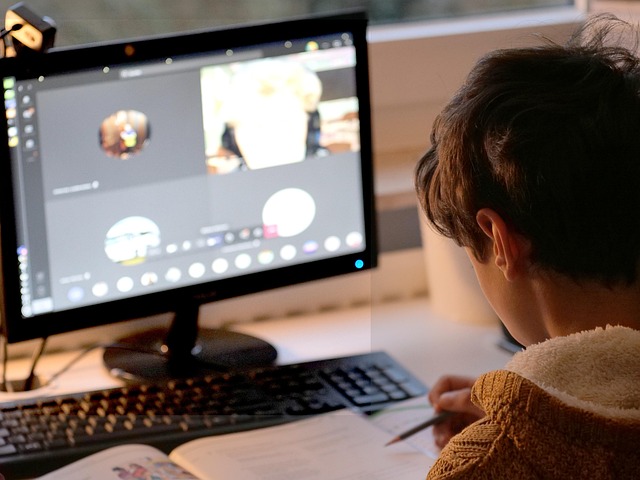


In the digital age, the rise of video sharing platforms has become a pivotal force in reshaping the landscape of online education. The ability to capture complex concepts in a visual and auditory format turns abstract ideas into tangible experiences, enabling learners to engage with material in ways that were unimaginable a few decades ago. When educators harness the power of video sharing, they create a dynamic environment where knowledge flows freely, and the barriers of time and geography dissolve. This transformation is not merely about accessibility; it is about deepening understanding and fostering a community of continuous learning.
From Passive Consumption to Active Participation
Traditional lecture-based learning often encourages passive reception, where students watch a speaker deliver content and record notes. In contrast, video sharing promotes active participation. Learners can pause, rewind, and replay segments, allowing them to process information at their own pace. Moreover, the inclusion of interactive elements—such as embedded quizzes, comment threads, and call‑to‑action prompts—encourages students to reflect on what they have seen, ask questions, and connect with peers. This iterative loop transforms viewing from a one‑way broadcast into a collaborative dialogue.
Microlearning and Just‑in‑Time Knowledge
One of the key strengths of video sharing in education is its compatibility with microlearning. Short, focused clips—often between 3 to 7 minutes—deliver bite‑sized chunks of information that fit seamlessly into a learner’s busy schedule. These micro‑videos can address specific learning objectives, such as explaining a formula, demonstrating a laboratory technique, or illustrating a historical event. Because they are easily shareable, instructors can assemble a curriculum that is modular, adaptable, and responsive to the evolving needs of students.
Bridging the Gap Between Theory and Practice
Video sharing offers a unique bridge between theoretical knowledge and real‑world application. By showcasing live demonstrations, case studies, and problem‑solving sessions, educators provide context that solidifies abstract concepts. For example, a physics lesson that includes a video of a pendulum experiment allows learners to see the motion in real time, reinforcing mathematical principles with visual evidence. This blend of theory and practice cultivates critical thinking and encourages learners to transfer knowledge across domains.
Community‑Driven Learning Ecosystems
When students and educators share videos, they build a communal repository of expertise. Learners can contribute their own recordings—such as project walkthroughs or language practice sessions—thereby enriching the collective learning pool. These contributions are not merely supplementary; they become integral components of the curriculum, offering diverse perspectives and alternative explanations. This ecosystem nurtures a sense of ownership and belonging, motivating participants to invest in both personal growth and the advancement of the group.
Scalability and Inclusivity
Video sharing democratizes education by scaling resources across large audiences without compromising quality. A single instructor can reach thousands of students worldwide, delivering consistent content that would be impossible in a physical classroom setting. Additionally, the platform’s adaptability—through subtitles, captions, and language translations—ensures that learners with varying linguistic backgrounds and accessibility needs can engage with the material effectively. This inclusivity fosters a broader, more diverse learning community, which in turn enriches discussions and expands perspectives.
Supporting Diverse Learning Styles
People absorb information through different sensory channels. Some thrive on visual cues, others on auditory explanations, and still others on kinesthetic experiences. Video sharing accommodates these differences by layering multiple modalities: visual demonstrations, spoken narration, on‑screen text, and interactive prompts. By presenting content in a multifaceted format, educators increase the likelihood that each learner finds an entry point into the material, thereby enhancing comprehension and retention.
Analytics and Personalized Feedback
Beyond the creative possibilities, video sharing platforms offer sophisticated analytics that track viewer engagement. Educators can see which segments attract the most attention, where learners drop off, and which questions are repeatedly asked in comments. This data informs iterative improvements—shifting pacing, adding clarifying graphics, or re‑recording confusing sections. Moreover, automated tools can deliver personalized feedback, such as auto‑generated quizzes or reflective prompts, aligning the learning journey with each student’s progress.
Ethical Considerations and Digital Literacy
While the benefits are compelling, responsible use of video sharing demands attention to privacy, consent, and intellectual property. Educators must obtain proper permissions for copyrighted material and respect students’ rights to share or edit their own recordings. Equally important is fostering digital literacy: teaching learners how to critically evaluate video sources, recognize bias, and synthesize information from multiple channels. By embedding ethical discussions into the curriculum, institutions reinforce the responsible stewardship of knowledge.
Future Directions: Interactive and Immersive Technologies
The trajectory of video sharing in online education points toward increasingly interactive and immersive experiences. Augmented reality overlays, 360‑degree videos, and AI‑driven adaptive narratives promise to push the boundaries of engagement. Imagine a biology lecture where a student can virtually manipulate a cell, or a history lesson that transports viewers to the streets of ancient Rome. As technology evolves, these innovations will further deepen the synergy between video sharing and knowledge construction.
Conclusion: A Sustainable Model for Lifelong Learning
In summary, video sharing stands as a cornerstone of modern online education, facilitating the building of knowledge through accessibility, interactivity, and community. By transforming passive viewing into active exploration, linking theory to practice, and embracing diverse learning styles, educators harness the full potential of video to cultivate informed, adaptable, and collaborative learners. As the digital ecosystem expands, the partnership between video sharing and education will continue to evolve, offering richer, more personalized pathways toward lifelong learning.