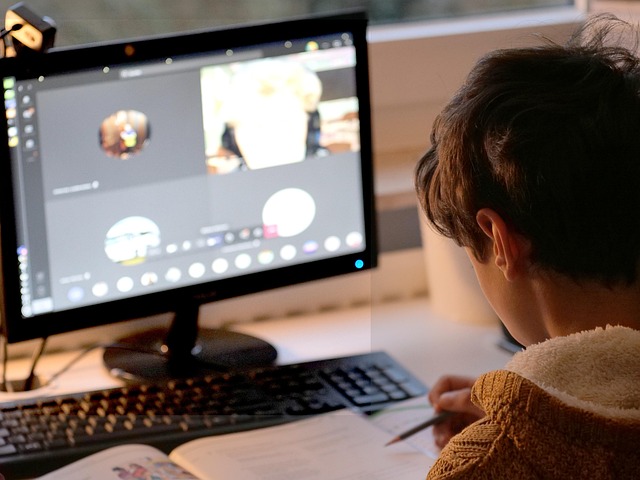


Over the past decade, the convergence of digital technology and education has reshaped the way learners access information. One of the most influential shifts has been the rise of video content as a primary mode of instruction. The term *video result* often refers to the outcome of integrating video into learning environments, encompassing improved engagement, deeper understanding, and more equitable access. This article examines how video results are redefining online education and contributing to the construction of knowledge in ways that are both measurable and transformative.
From Text to Motion: The Evolution of Learning Media
The historical reliance on textbooks and written lectures began to waver when audio recordings entered classrooms in the early twentieth century. However, it was the advent of video that provided a visual narrative, allowing abstract concepts to be illustrated in real time. In contemporary online platforms, video result is no longer a novelty; it is a cornerstone of curriculum design. Studies demonstrate that learners who view concise, purpose‑driven videos retain information up to 60% longer than those who read equivalent text.
- Visual demonstration of complex processes.
- Multimodal cues that reinforce memory.
- Self‑paced exploration aligned with individual learning speeds.
Engagement Metrics and the Video Result Paradigm
Quantifying engagement has always been a challenge in e‑learning. Video result provides tangible indicators such as play counts, watch duration, and interaction rates. These metrics help educators tailor content to student preferences. For example, a high drop‑off rate at a specific timestamp suggests that the pacing or depth of explanation may need adjustment. By iteratively refining video segments, instructors can create more effective learning experiences.
“The power of video lies not just in what is shown, but in how the viewer interacts with the content,” says Dr. Lena Ortiz, a cognitive scientist studying multimedia learning.
Facilitating Knowledge Building Through Active Video Result
Knowledge building is an iterative process where learners assimilate new information, connect it to prior knowledge, and generate novel insights. Video result enhances this cycle by incorporating interactive features such as embedded quizzes, annotation tools, and pause‑and‑reflect prompts. When learners pause a video to answer a question or annotate a diagram, they transition from passive consumption to active construction, solidifying understanding and encouraging critical thinking.
Collaborative Learning and Video Result
Online communities often rely on discussion forums and peer‑review systems. Video result introduces a new dimension to collaboration: shared video annotations and collective playback. Teams can watch a recorded lecture together, pause to discuss a concept, and annotate in real time. This synchronous interaction mirrors traditional classroom dynamics while preserving the flexibility of remote learning.
- Group annotation sessions for problem‑solving.
- Peer feedback loops integrated within the video platform.
- Automated transcript sharing to support accessibility.
Accessibility and Equity: Video Result as a Democratizing Force
One of the most significant impacts of video result is its role in leveling the educational playing field. Learners from underrepresented backgrounds or with limited access to high‑quality instruction can benefit from curated video content that matches or surpasses the quality of local teachers. Additionally, captions, sign‑language overlays, and adjustable playback speeds ensure that individuals with diverse learning needs can engage with material at their own pace.
Challenges and Ethical Considerations
While the advantages of video result are compelling, educators must navigate potential pitfalls. Over‑reliance on video can diminish critical reading skills and reduce opportunities for deep textual analysis. Furthermore, the data collected to measure video result raises privacy concerns; institutions must safeguard student information and provide transparent data usage policies.
The Future Landscape: Adaptive Video Result
Artificial intelligence is poised to elevate video result further. Adaptive video platforms analyze user interaction patterns to customize content flow in real time. If a learner consistently lingers on a particular segment, the system can offer supplementary explanations or advanced challenges. This level of personalization supports differentiated instruction at scale, a goal many online institutions strive for.
Conclusion: Video Result as a Catalyst for Knowledge Evolution
In summary, the *video result* phenomenon represents a pivotal shift in online education. By combining visual storytelling with interactive engagement, video content transforms passive viewers into active knowledge builders. Its measurable impact on retention, collaboration, and equity demonstrates that video result is not merely a trend but a foundational element of modern pedagogy. As technology continues to advance, educators who harness the full potential of video result will shape a more inclusive, effective, and dynamic learning environment for future generations.