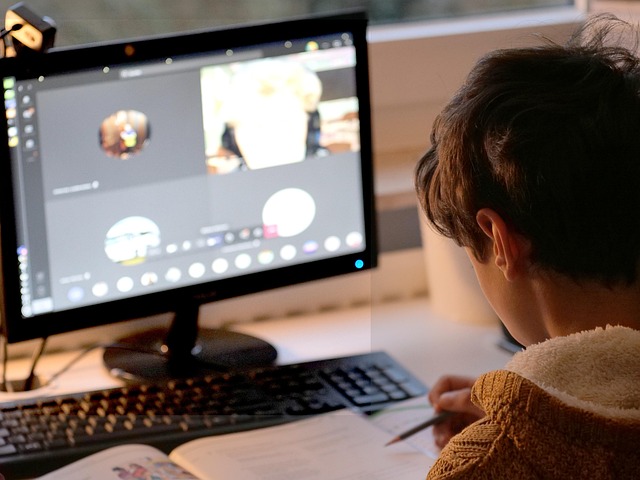


Online education has reshaped how learners acquire knowledge, turning classrooms into digital hubs where information flows freely across borders. Yet, as content proliferates, educators and students alike face the challenge of standing out and proving competence in a crowded virtual landscape. A video portfolio offers a compelling solution, merging visual storytelling with rigorous demonstration of learning outcomes. This article explores why video portfolios matter, how to build one, and how they can propel success in online education.
Why a Video Portfolio is a Powerful Asset
Traditional written resumes and transcripts provide a snapshot of achievements but often miss the dynamic aspects of teaching and learning. A video portfolio, in contrast, showcases practical application, creativity, and communication skills—all essential in modern education. By recording lessons, project presentations, or reflective monologues, learners can demonstrate mastery in real time.
- Authentic evidence of pedagogical techniques.
- Evidence of critical thinking through problem‑solving demonstrations.
- Visual and auditory engagement that resonates with diverse audiences.
Key Elements of an Effective Video Portfolio
While each portfolio is unique, several core components consistently elevate quality and credibility.
- Contextual Introduction – Briefly outline the learning environment, objectives, and audience. This framing helps viewers understand the stakes and relevance.
- Demonstration Footage – Record actual classroom interactions, lecture snippets, or simulation sessions. Show both the process and the outcome.
- Reflective Commentary – Provide voice‑over or on‑screen notes explaining decisions, challenges, and lessons learned.
- Supplementary Materials – Link to or embed lesson plans, assessment rubrics, or research articles to reinforce the depth of preparation.
- Feedback Integration – Include peer or instructor feedback to illustrate responsiveness and growth.
- Professional Presentation – Maintain clear audio, steady lighting, and concise editing to keep the focus on content rather than production quirks.
Planning Your Video Portfolio
Strategic planning is the foundation of a cohesive and persuasive portfolio. Begin by answering these guiding questions:
- What learning objectives should the portfolio address?
- Which student outcomes best illustrate skill mastery?
- How will you organize content for logical flow?
Once the objectives are clear, map out a timeline that includes filming, editing, and review stages. Allocate ample time for post‑production editing; a polished video demonstrates professionalism and attention to detail.
Choosing the Right Tools
Technological choices can influence both quality and workflow. Many learners rely on simple yet reliable devices: a laptop webcam, an external microphone, and screen‑capture software. For more complex projects, a basic DSLR or a smartphone with a stable mount can elevate visual fidelity. Editing software such as free, open‑source options or subscription services can help trim footage, add captions, and adjust color grading.
“A well‑structured video portfolio turns a series of moments into a narrative that showcases growth, not just isolated successes.” – Educational Technology Research Group
Filming Best Practices
Quality filming is paramount. Pay attention to the following practices:
- Lighting – Position lights to eliminate shadows and avoid back‑lighting the subject.
- Audio – Use a lapel mic or an external condenser to capture clear sound; record in a quiet room.
- Camera Angle – Maintain eye level to foster a natural connection with the viewer.
- Background – Keep the background uncluttered to keep focus on the presenter and visual aids.
During filming, rehearse the script or key points to ensure smooth delivery. A natural, conversational tone often engages viewers more effectively than a formal lecture style.
Editing for Impact
Editing is where raw footage transforms into a compelling story. Focus on clarity, pacing, and emphasis:
- Trim unnecessary pauses or repetitive content.
- Insert captions for key terminology or complex concepts.
- Use cuts and transitions sparingly to maintain continuity.
- Add graphics or overlays to illustrate data or highlight learning objectives.
- Ensure consistent audio levels across scenes.
After editing, preview the final product with peers or mentors to catch any logical gaps or technical inconsistencies.
Showcasing Your Video Portfolio
Once the portfolio is complete, the next step is visibility. Online education platforms, professional networks, and academic communities provide channels to share your work. Choose platforms that support high‑definition video playback and allow descriptive metadata, so viewers can quickly assess the portfolio’s relevance.
When presenting your portfolio, accompany it with a concise written summary that outlines the learning objectives and key takeaways. This hybrid approach ensures accessibility for viewers who prefer reading or need quick context before engaging with video content.
Leveraging Feedback for Continuous Improvement
Feedback is an integral part of learning, and a video portfolio provides a tangible record to revisit. Solicit critiques from peers, instructors, or industry professionals and incorporate their suggestions. Highlight these revisions in subsequent portfolio updates to demonstrate adaptability and ongoing growth.
“Feedback loops turn a static demonstration into a living document of learning evolution.” – Curriculum Design Forum
Maintaining and Updating Your Portfolio
Education is dynamic; so should be your portfolio. Adopt a schedule for periodic reviews:
- Quarterly: Assess new teaching experiences or updated research.
- Annual: Replace outdated videos with fresh examples of best practice.
- Event‑Driven: Add a video after completing a significant project, conference presentation, or course redesign.
Version control is essential; keep a log of changes, and annotate each update with the context and impact. This transparency strengthens credibility and shows a systematic approach to professional development.
Ethical Considerations and Privacy
When filming students or classroom settings, always obtain informed consent and respect privacy. Anonymize data where necessary and adhere to institutional policies. Ethical stewardship reinforces trust and protects all participants involved.
Conclusion: The Future of Online Learning Through Video Portfolios
A video portfolio is more than a repository of recorded lessons; it is a dynamic, interactive narrative that captures the essence of teaching and learning. By thoughtfully selecting content, employing best filming and editing practices, and integrating reflective feedback, educators can create powerful artifacts that showcase competence, creativity, and commitment. As online education continues to evolve, those who master the art of video portfolios will be well positioned to influence practice, inspire peers, and advance knowledge building on a global scale.