
In the dynamic landscape of online education, establishing strong connections between learners and educators has become more important than ever. At the heart of these connections lies something profoundly powerful: the feedback loop. This invisible but deeply effective process is the lifeblood of productive learning and authentic knowledge building in the digital classroom. For many students and instructors, understanding and mastering this loop can profoundly transform their educational experience from isolated clicks into meaningful engagement.
Imagine you’re an online student navigating through a course. You’ve just submitted an assignment after hours of research and reflection. Days pass. Silence. We all know this feeling—estrangement from the learning process, wondering if your thoughts ever found a receptive mind. In contrast, consider the empowering moment when timely, thoughtful feedback lands in your inbox. Not only is your work acknowledged, but you’re also guided further, encouraged to improve, and made aware of how your ideas fit into the wider academic conversation. That is the impact of an active feedback loop. It doesn’t just close a task—it opens a door for deeper learning and connection.
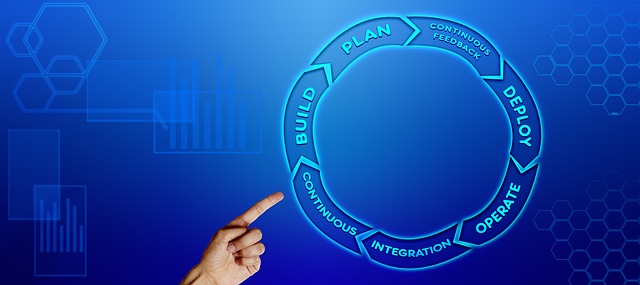
In traditional classrooms, feedback often comes in the form of facial expressions, nods, or impromptu discussions. But in the online realm, we must intentionally recreate these moments. It takes a conscious design for interactivity, a space where both educators and students commit to ongoing dialogue. When instructors regularly offer insightful comments, and students respond or even question those insights, a feedback loop begins to flourish. This loop tightens the bond between theory and practice, pushing learners from passive receivers of information to active participants in constructing knowledge.
For educators, nurturing this loop requires a new mindset. Static assignments and one-way communication no longer suffice. We need to cultivate environments where learners feel safe to share partial understandings, propose ideas, and revise their thinking. Using tools like discussion boards, peer review systems, and real-time polls can significantly contribute to this process by providing multiple touchpoints for student-instructor interaction. Feedback should not merely be corrective—it should celebrate thought, incite curiosity, and kindle growth. Every response we give is a chance to inspire further thinking, to keep the cycle of understanding spinning forward.
As students become more engaged in this interactive exchange, their confidence and ownership of learning skyrocket. They begin to see education not as a test to pass, but as a dialogue to contribute to. This is where real knowledge building begins—not in rote memorization, but in the refining of thoughts, in the dynamic interplay of questions and evolving answers. The feedback loop ensures that learners never stop at the surface of concepts but are drawn deeper through continuous interaction and guided inquiry.
In the end, the art of mastering the feedback loop isn’t only about responding to what’s been said—it’s about fostering a culture of trust, challenge, and mutual discovery. Especially in online learning, where human connection can feel scarce, the feedback loop remains a compelling channel through which meaningful, sustained education can thrive.